



Nearly half of U.S. adults say it is difficult to afford their health care costs, and prescription medications are often where that strain shows up first and hardest. One of the most common reasons a patient assistance application gets delayed is missing or incomplete documentation. Here is the checklist that helps most applications move through faster and with fewer back-and-forth requests.
Proof of Identity
Most programs require a government-issued photo ID, such as a driver’s license or state ID, to confirm you are who your application says you are. This is usually the simplest document to gather, but it is also the one most often forgotten when applications are submitted in a hurry.
Proof of Income
Prescription assistance enrollment documents almost always include some form of income verification. This can be recent pay stubs, a tax return, or, for patients receiving Social Security or another fixed benefit, a proof of income letter confirming what you receive monthly.
If you are unsure how to obtain this documentation, it is usually available directly from the agency or employer that issues your income, and requesting it early avoids a last-minute scramble.
Proof of U.S. Citizenship
Since most patient assistance programs are structured specifically for U.S. citizens, you will typically need to provide documentation such as a birth certificate, passport, or naturalization certificate. This requirement is tied directly to how these programs are funded, so it applies fairly consistently across most manufacturer and foundation programs nationwide.
Current Prescription Information
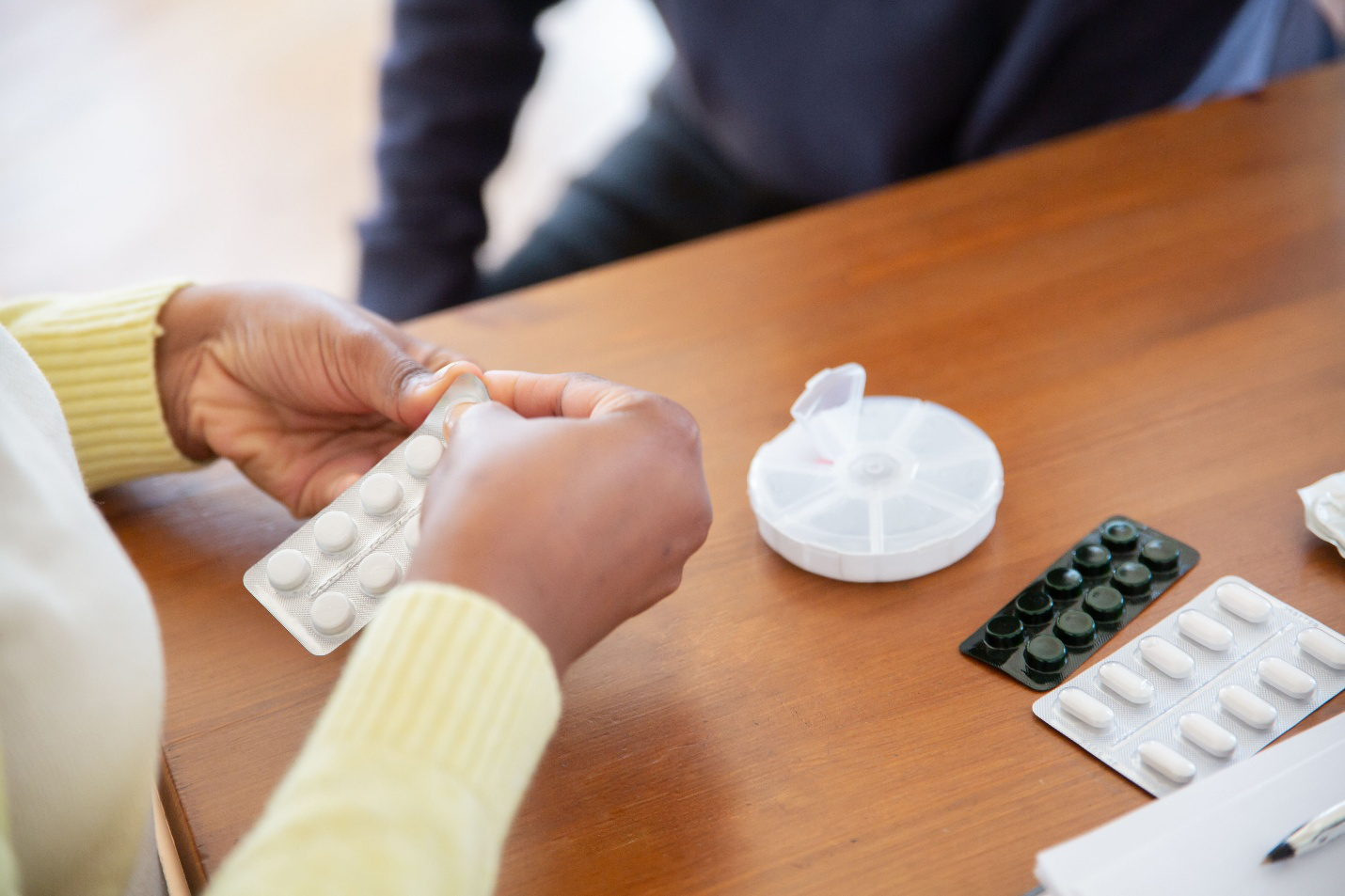
You will need the exact name, dosage, and prescribing physician for the brand-name medication you are applying for assistance with. Having this information ready and organized, rather than trying to recall it from memory during the application process, prevents a common and easily avoidable source of delay.
Proof of Insurance Status, Including No Coverage
Whether you are uninsured, underinsured, or have coverage that does not adequately cover your specific medication, documentation of your insurance status, or lack of it, is typically required. This helps the program confirm that assistance is actually needed and is not duplicating coverage you already have.
Why Getting This Right the First Time Matters
A Patient Assistance Program application with missing documentation does not usually get rejected outright, but it often gets delayed while the program requests the missing piece, which can add weeks to a process patients are hoping to complete quickly.
Gathering these five categories of documents in advance is one of the simplest ways to help ensure fast medication assistance approval rather than a slower back-and-forth. Seniors managing several medications at once, and caregivers applying on someone else’s behalf, tend to benefit most from preparing everything before starting rather than gathering documents one program at a time.
Before submitting anything, it is also worth confirming you are working with a legitimate organization, since a trustworthy group will always explain clearly what it needs and why, without pressuring you to move faster than you are comfortable with.
A Practical Resource for a Faster Approval
The Rx Helper is a nationwide patient assistance company that helps uninsured and underinsured individuals identify and pursue applicable prescription assistance options. Its services include support for agents and brokers, assistance with program research and enrollment, medication assistance, and coordination of prescription orders and refills.
For independent brokers looking to give underinsured clients another avenue for managing prescription costs, The Rx Helper can provide specialized patient assistance programs, medication assistance, and broker referral support.
Learn more about available options and connect your clients with prescription assistance resources by contacting The Rx Helper today.